Tzen Szen

Archive

About Me

Say Hello

Hello, welcome to my blog! I write about topics that I am interested in reading about.

Moving to Medium

Hello Again

Moving to Medium

  • By
  • Tzen Szen
  • on November 9, 2016 11.15am

  • It's been awhile since my last post in June. In these 3.5 months, I've been kept occupied with many things, namely, getting involved in research, hospital placements, recruiting new student ambassadors for Doctorpreneurs, recruiting research groups for NSAMR, on top of keeping up with my studies and learning to code.

    In the period between summer and now, I have been reflecting about my previous work on this blog. I came to a conclusion that I still want to continue writing and produce the highest quality work that I possibly can. To do so, I'm moving over to the blogging platform, Medium.

    Medium is simple

    There are many reasons for this but the biggest reason for the move to Medium is because of its simplicity. All I really want is to write and create content for others. It's easy to setup, write a story, embed images, and publish stories. Medium has the right tools to get the job done and allows me to focus on my writing.

    Medium looks great on every device too. Whether you're reading from a computer, tablet, or smartphone, a good experience of reading Medium articles is guaranteed.

    That being said, this blog will now serve as my archive of all my previous work. I'll still be focusing on writing articles about medicine, technology, and my occasional opinions on topics I find interesting. I'm really excited about where this is going and I do hope to share more of what I write about with you!

    3 Important Lessons From 90 Minutes With Sam Altman

  • By
  • Tzen Szen
  • on June 19, 2016 3.46pm

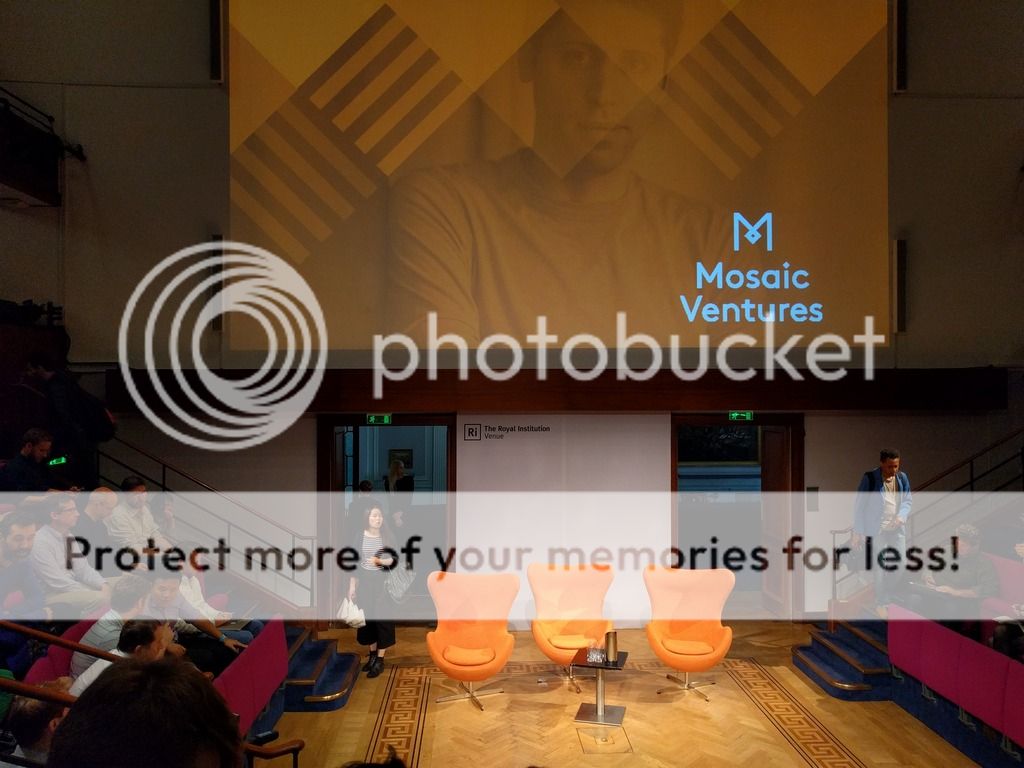
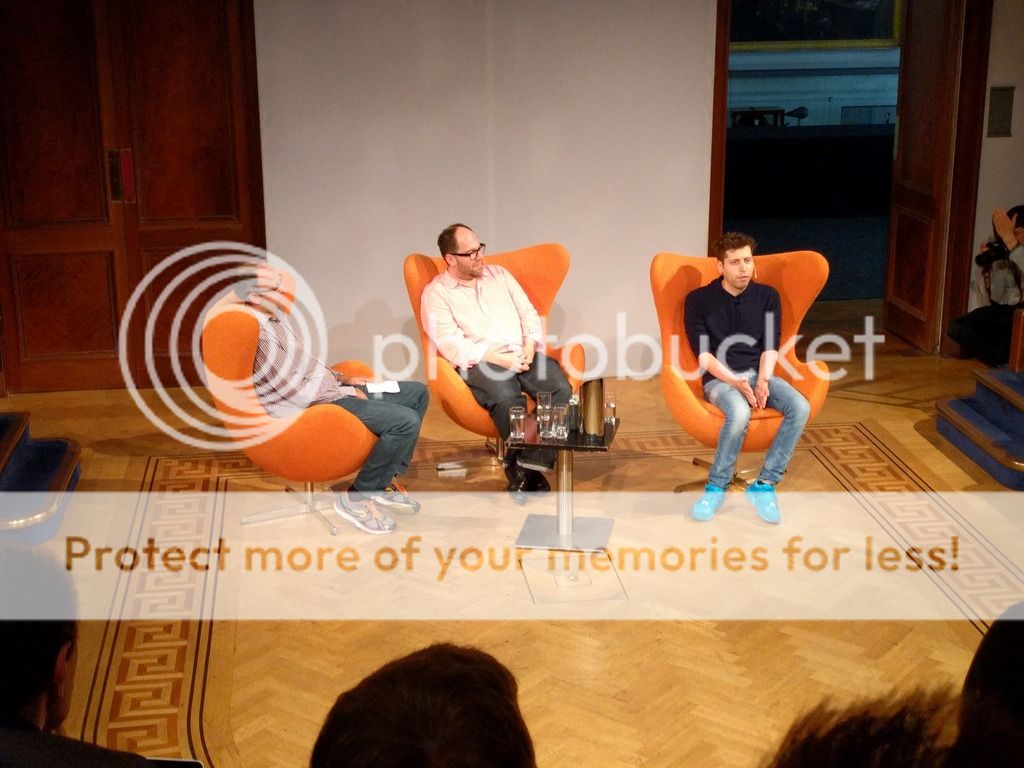
  • I was fortunate enough to catch Sam Altman, the President of Y Combinator (YC), at the Royal Institution of Great Britain (what a location!) in London about 2 weeks ago. The talk and Q&A session (organised by Mosaic Ventures) saw many seasoned and budding entrepreneurs alike gathering to listen to him speak about technology, startups, the future, and everything in between.

    Y Combinator is a seed accelerator based in Silicon Valley and they provide seed funding (the earliest stage of venture funding) for startups. Twice a year, they invest $120k in a fairly large number of startups. The startups move to Silicon Valley for 3 months, where YC works with them (everything from working with ideas to dealing with investors) to get them into great shape. At the end of each cycle, the startups present their companies to a carefully selected group of people during Demo Day.

    A big part of what makes YC very cool is their alumni network that continues to help founders during the lifespan of their company and beyond it. YC is largely successful, with their companies having a combined valuation of over $65 billion. Their companies include big tech successes like AirBnb, Docker, Stripe, Dropbox, Cruise, and Reddit.

    The talk and Q&A session brought up many important talking points and it was a joy to listen to Sam speaking about them. Naturally, there are always lessons (be it about startups or life in general) to take away from an event like this, so here are my top 3!

     photo IMG_20160607_150438_zpswtvz3h9q.jpg

    1. The importance of perseverance

    Sam mentioned during his talk that the YC partners ask startup founders why they're working on their startup and even at that high level, they do still get a mix of good and bad answers. Even at medical school interviews, potential medical students are frequently asked, "so, why do you want to study Medicine?".

    A reason I believe that this is such a huge question that appears frequently is because when you're going to attempt something very challenging, which has large consequences on others (eg: the lives of patients for future doctors or future customers and investors for startups), people need a reason to see that you have the grit and perseverance to get your mission done. And that grit and perserverance usually doesn't come from external motivations.

    It's so easy to forget why you're doing something so it's always important to go back to the roots and ask yourself why. Are you doing "A" because you like it? Are you doing "B" because you want to make money? Or did a group of people pressure you into doing so or you're doing it because everyone else is doing it?

    Sam revealed that raw intelligience of the founders of a startup used to be his top criteria to invest in a startup. While it is still in his top 5 criteria, another criteria that he mentioned is perservance. That is why YC actively looks out for hints of that in founders and I believe a good way to begin is to ask them why they're doing what they do.

    2. There will be haters and that's okay

    Can you believe that even today, some people still think YC is a bad idea? With more than 1000 startups funded since 2005 and having a combined valuation of more than $65 billion plus a portfolio that includes successes like AirBnb, Docker, Stripe, Dropbox, Cruise, and Reddit, you'd think YC is doing something right at least.

    But according to Sam, he still gets people giving him shit about how YC is still a bad idea. I do note that it's important to take in constructive criticism but there will always be people who won't like what you do or don't agree with you.

    That brings us to the story of AirBnb. Quite a fair bit of investors and even some YC partners thought they couldn't make it, as the idea of renting out your personal space to strangers sounded pretty crazy and wouldn't work. But the founders of AirBnb stuck with their idea, executed it, and the rest is history.

    I guess great ideas falls into a Goldilocks zone between a bad idea and good idea; bad so others won't try to compete with you but good enough so it's worth pursuing. I'm sure we are all quite glad Joe Gebbia, Brian Chesky, and Nathan Blecharczyk didn't take the advice of the people who said AirBnb was going to fail and they should jump ship.

    3. Tech isn't just software

    When I personally speak to people about tech, most of our conversations will naturally shift to software. While great software has exploded in the last 20 years and is playing a great role in our everyday lives, it is important to remember that tech isn't just all about software.

    I liked how Sam mentioned in his talk that YC doesn't just fund software companies; YC helps startups build products that people want, regardless of their industry. He also spoke about 3 industries that are going to be huge in the future. Those industries are energy, life sciences, and artificial intelligence (AI).

    The sustainable energy problem remains as a huge barrier to solving many of our other problems and universal access to clean, sustainable energy will be another great equaliser for humanity. Breakthroughs in life sciences will see us living longer and healthier lives. Truly capable AI will be one of the most important things that humanity creates and it should be decentralised, which is one of the reasons Sam started OpenAI, a non-profit artificial intelligence research company, with Elon Musk.

    Although software will continue to play an important role in our lives, the technological breakthroughs that will help us solve our largest problems isn't going to be just based on software alone. We have to remember that tech isn't just software because there are lots of exciting technological breakthroughs in other industries too.

    From gene editing tech CRISPR to more efficient ways of producing solar energy to better batteries, there is plenty to be excited about. While an app that allows you to take photos and videos and disappears after sending them to your friends is cool, I still struggle to see how that is more valuable than a cure for cancer, neurodegenerative diseases, better antibiotics, sustainable energy, and a way to get to Mars.

     photo IMG_20160607_152637_zpsbjhq7teg.jpg

    And that wraps up what I've learnt from 90 minutes with Sam Altman. Being a medical student at the event saw me sticking out like a sore thumb among the crowd, but the experience of listening to Sam's insights about Y Combinator, tech, startups, and the future was sure as hell worth it!

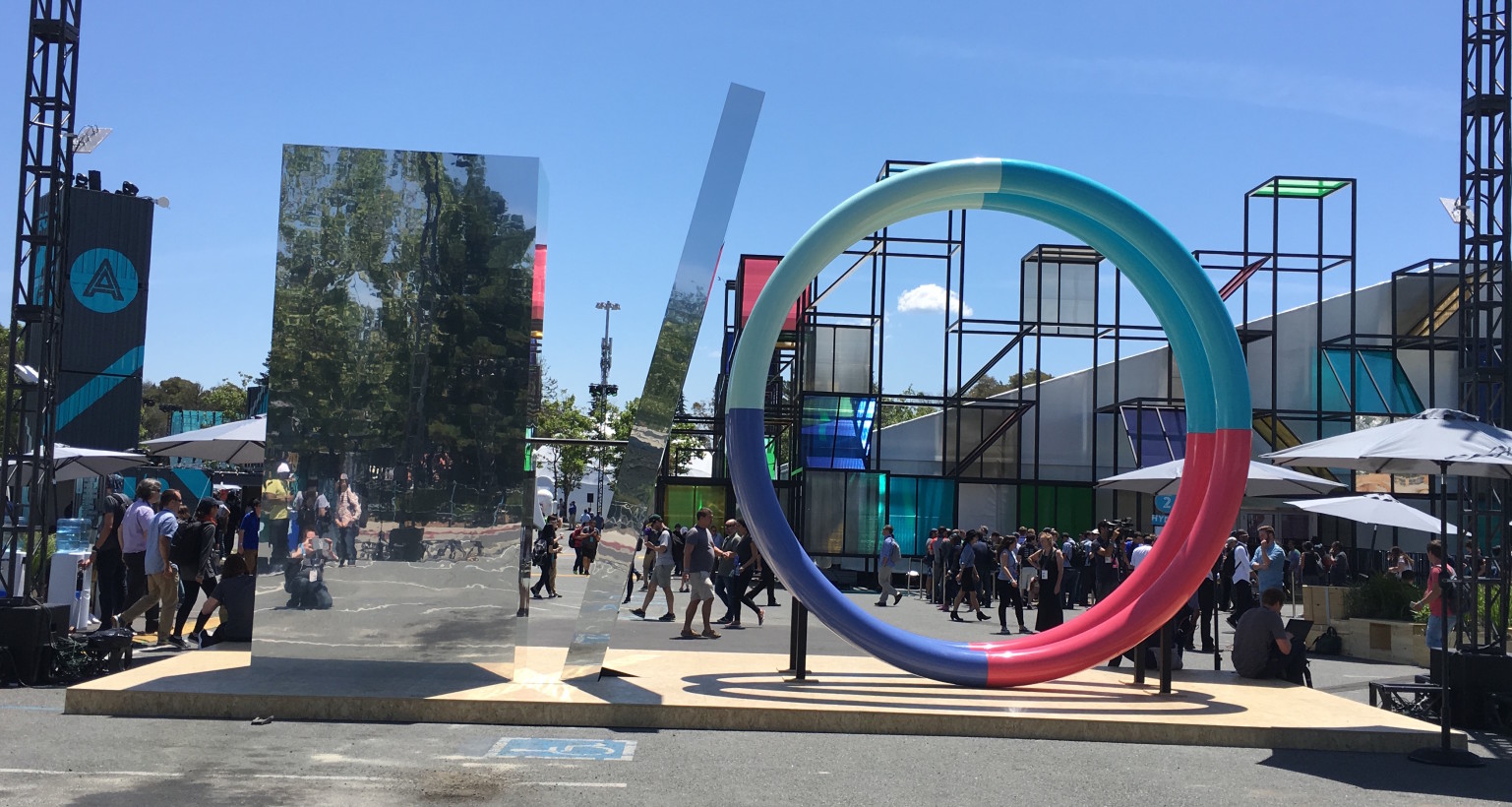
    Top 4: Announcements from Google I/O 2016

    Top 4: Announcements from Google I/O 2016

    My favourite announcements from Google's annual developer conference

  • By
  • Tzen Szen
  • on May 30, 2016 5.09pm

  • It's just over a week since Google I/O 2016 and the dust has finally settled down over the latest news and announcements from the search giant during the conference.

    For those of you who aren't aware, Google I/O is Google's annual software developer-focused conference. It is during Google I/O that Google shows off and/or announces its latest products such as the next version of Android, new updates in current products, new tools that help developers build apps, and most importantly, the direction the company is headed in.

    This year's conference marks the 10th anniversary of Google’s first developer day, hence, the change in venue from San Francisco to their own backyard at the Shoreline Amphitheatre in Mountain View, California. I/O 2016 also marks the first official conference hosted by Google under the new Alphabet corporate structure with Sundar Pichai's first I/O conference as the new CEO of Google.

    I/O 2015 was pretty lacklustre by Google's standards but there was lots to get excited about during this year's conference. It's just impossible to talk about everything in one post, so here are my 5 favourite announcements (in order) from Google I/O 2016:

    1. Project Soli updates

    The announcements about Project Soli during Google I/O was truly a standout for me. Project Soli is Google's attempt at touchless interaction. It is currently being developed at Google under Google ATAP (Advanced Technology and Projects), which is a division at Google that aims to develop new radical technology. They are a small group, pretty much the merry band of pirates of Google and they "like epic shit".

    Being anounced at last year's Google I/O, Soli has since been released to a selected group of developers around the world for them to tinker with and the results have been very impressive so far (check out the video below!). Soli works as a new sensing technology that uses miniature radar to detect touchless gesture interactions. Radar is used for motion tracking of the human hand and the sensor tracks really minute, rapid motions at great accuracy. This allows people to interact with technology without even touching it.

    This tech is truly exciting and I'm personally pumped to see it in the hands of more developers and consumers soon. The possibilities are endless and Soli seems like the next natural progression of the user interface. We might be able to interact with our computers like how Tony Stark in the Iron Man movies does with his and that is just the very tip of the iceberg!

    2. Android Instant Apps

    Say you have an app you need to download and use at the moment but don't need it in the long run. It's annoying to have the app on your phone because it's idle in the app drawer as the app isn't your go-to app for something (it's not WhatsApp, Uber, Spotify, etc.). Also, what if you want to try out an app first without having to download it in the first place?

    Google's answer to this problem is Android Instant Apps; a somewhat simple solution to a longstanding problem. Android Instant Apps evolves Android apps to be able to run instantly, without requiring installation.

    Android Instant Apps isn't another app that has to be installed, it's going to be baked into Android devices running Android 4.1+ or higher with Google Play services. Based on one of the demos, let's say a user is sent a link by a friend to a video on Buzzfeed Video but doesn't have the Android app. That user will be directed to that part of the app without having to install it by just clicking on the link. Only the code needed to display that part of the app is downloaded and run on the go.

    High quality Android apps are now only a few taps away instead of a few minutes. This is a win-win for both users and developers; users will get a better user experience on Android as they have better access to high quality Android apps while developers can get more users to their app quickly.

    3. Project Ara updates

    Project Ara is another project under Google ATAP and is Google's first big swing from their hardware division led by former President of Motorola, Rick Osterloh.

    Ara is a modular phone. You will be able to add in modules like a better camera, larger speakers, and an E-Ink display with more modules from 3rd party hardware developers in the future. Here is how Ara works: buy the Ara frame that includes the screen, processor, RAM, battery, and 6 slots, then get modules to fill in those 6 slots. These modules will be able to fit into and work with future Ara frames.

    There has been some negative fanfare about Google's decision to not allow consumers to switch out the screen, processor, and other core components of the Ara smartphone as it prevents it from being a truly modular phone. Personally, I'm pretty happy with their decision to do that for now. Ara is still in a fairly early stage and having too many components that are modular will give Google a headache.

    I like how they are taking a leaf out of the book of the late founder of Apple, Steve Jobs. It can be summed up in quote of his: "A lot of times, people don't know what they want until you show it to them.". Apple is famous for the tight integration between Apple software and hardware, allowing for a greater control over the user experience.

    This way, Google maintains some form of control while still allowing consumers to customize the phone. When the Ara platform truly takes off, then we can start thinking about customizing the core components of the phone. Either way, Project Ara is still truly exciting and I can't wait to see what developers build with the release of the developer edition this fall before consumers get their hands on it in 2017!

    4. Android apps & the Play Store come to Chromebooks

    It's finally happening! Chromebooks will soon be running Android apps natively, together with the Google Play Store. This is huge news, particularly because it allows Chrome OS (the operating system of Chromebooks) to gain more functionality.

    Chrome OS users will soon be able to get more than a million Android apps from the Google Play Store on their Chromebook. This would of course increase the appeal of Chromebooks to more people as they can get more done on it. This is a huge step in the direction of a more seemless and intergrated user experience between Google's two operating systems, Chrome OS and Android.

    This is also a huge blow to Microsoft that has been trying to create an ecosystem of lightweight apps on a laptop computer from an app store. Google can achieve exactly that when this comes out in fall this year.

    That wraps up my favourite announcements from I/O 2016! There were loads of cool announcements during the conference with didn't make my top 4 but some honourable mentions include major updates to Firebase and the new Google apps Allo (a smart messaging app) and Duo (Google's version of FaceTime) coming out later in summer.

    I was really hoping to see a new version of Google Glass this year but I guess it'll be some time until they have something more polished for consumers. As for now, till Google I/O 2017!

    Doctors Who?

    Doctors Who?

    Notes on a profession that is bringing more questions than answers

  • By
  • Tzen Szen
  • on March 6, 2016 9.50pm

  • I was in London about three weeks back, to speak at conference jointly organised by Malaysian Medics International UK and the Singapore Medical Society of the UK. They are two organisations that represent Malaysian and Singaporean medical students respectively, in the UK.

    On the day of the conference, I got to the tube station at Algate East to get to the venue of the conference, UCL. I was due to arrive perfectly on time until I learnt that the station was closed for maintenance. Fortunately, I managed to get a ride from an Uber taxi to get to my destination (thanks Aunty Wei!). As I got into the taxi, the driver introduced himself and began asking the usual series of questions, including: "Why are you headed to this university?", "What are you studying at uni?", and "Where did you come from?".

    It was after answering his initial questions that things started to get interesting. After learning that I am a medical student, he probed further. He asked questions about whether I'd like to stay on in the UK after medical school to continue training and highlighted the junior doctor contract fiasco.

    That conversation I had is what led to this blog post, where I'd like to ask and discuss 2 further questions about the situation as a whole.

     photo Junior-Doctors-Strike_zpsm2cwlfya.jpg

    1. What sort of value do healthcare professionals provide to society?

    Taking care of the ill, preventing deaths of patients, and prolonging their lives should be considered valuable to any member of society. It's easy to say what healthcare professionals do on the job. From assisting and carrying out surgery to consultations to caring for patients in hospitals and the community, that is only a tip of the iceberg of what they do.

    So, why is it that junior doctors (anyone below the level of consultant or general practitioner) in the UK have to resort to industrial action to make their voices heard about the new contract that works them longer hours for lower wages? It's a no-brainer that they should be treated fairly, isn't it? But that is clearly not the case.

    It does paint a picture that healthcare professionals aren't valued for what they do. That is largely due to the fact that it's difficult to quantify the value of their work.

    It's difficult to quantify the value of their work

    Making a mistake in real-life in this industry doesn't mean your business will lose a client or a sum of money; it usually means that someone's life is going to be affected due to your actions and it could be fatal. Is it possible to put a pricetag on the life of someone? How can we measure the value of the hours that healthcare professionals put into taking care of patients? Well, the answer to the questions above is you can't.

    Thus, healthcare professionals do provide great service to society as a whole. However, it's difficult to quantify the value of their work. We can't quantify the work that healthcare professionals do monetarily easily when compared to professionals in other industries.

     photo Silver-Money-Coins_zps6mbsyldf.jpg

    2. Does making money matter in healthcare?

    Here's a contraian truth (a truth very few people agree with): people say they value the work of doctors, nurses, and other healthcare professionals but they are very hesistant to pay them for services. Ask anyone to pay more taxes to fund a public healthcare system or pay high fees for private healthcare and you'll be met with a response of something like, "But it should be free!".

    Money does matter, but only to a certain extent. There needs to be enough funding to keep a healthcare system running efficiently. However, no one is going to give money for free. It'll be given to you only if you can provide value by either providing a great service or generating more money for the people giving you money in the first place.

    As junior doctors and other healthcare professionals are providing good services to the public, they do deserve to be paid fairly. The working hours can be long, some patients are difficult to deal with to say the very least, and there is a shortage of staff a lot of the time - that is the reality of being a doctor or any other healthcare professional, for that matter. Most people who study medicine don't do it for the money. There are better ways to get rich. But that isn't a good enough reason to not pay junior doctors fairly.

    There's a reason why Google, Facebook, and other large technology companies are never short on attracting great talent. On top being a great place to work at, they truly value their employees and what employees can bring to the company.

    Healthcare professionals are the best people to do what they are supposed to do. Doctors, nurses, dentists, paramedics, pharmacists, and all the others involved are great at what they do (although being human, are prone to errors sometimes). What we often fail to realise is that the best people are more valuable than you think.

    The greatest and brightest people will leave to other places where they will be appreciated for their work. It is no surprise that many junior doctors in the UK are thinking about moving abroad in hopes of being paid fairer with better working hours.

    The best people are more valuable than you think

    It can be disheartening to hear about the news that junior doctors are going on strike, leaving the country, or leaving the profession altogether. At the same time, the uncertainly of the the future can also be worrying. The situation seems dire now but eventually this too, shall pass.

    It is easy to daunted by the challenges that we are facing in healthcare (likewise in other industries), but we need to persist and keep trying to make things better. Mark Twain sums it up best with a quote of his:

    It doesn’t matter what the press says. It doesn’t matter what the politicians or the mobs say. It doesn’t matter if the whole country decides that something wrong is something right. Republics are founded on one principle above all else: The requirement that we stand up for what we believe in, no matter the odds or consequences.

    When the mob and the press and the whole world tell you to move. Your job is to plant yourself like a tree beside the river of truth and tell the whole world: “No, you move.”

    *The views expressed in this post represent me only and not the organisations I represent.

    Impressions: Tesla Model S

    Impressions: Tesla Model S

    40 minutes inside the car that is changing the automobile industry

  • By
  • Tzen Szen
  • on January 30, 2016 3.20pm

  • The Tesla Model S is an epitome of human engineering, an excellent example of the harmony between software and hardware.

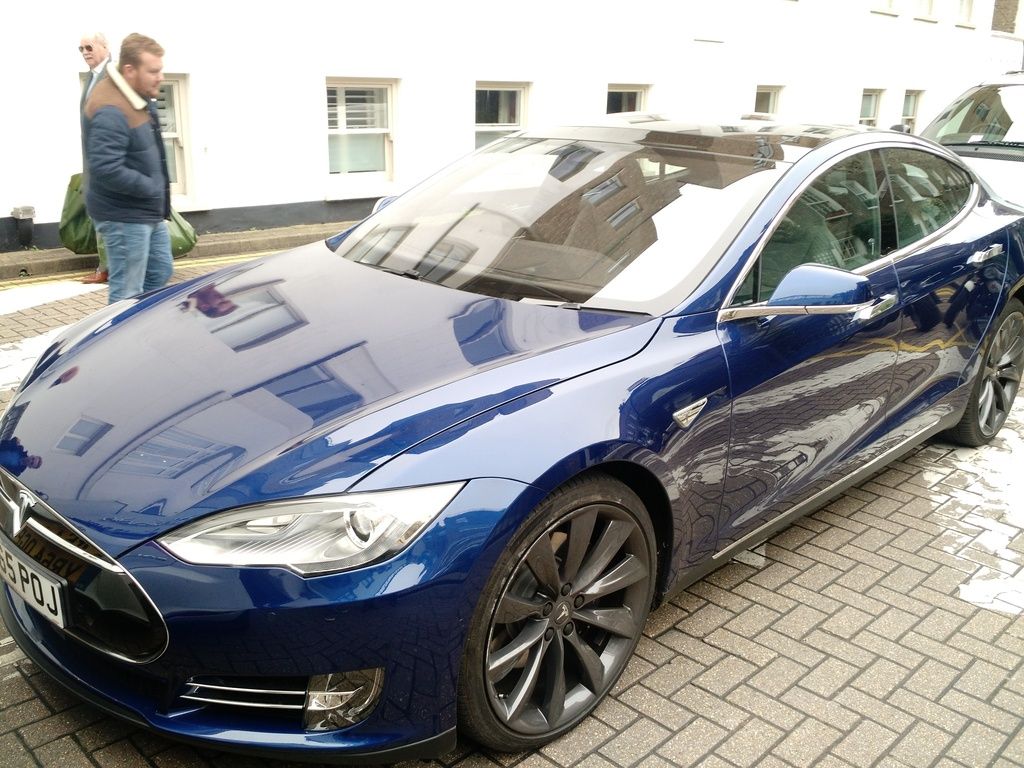
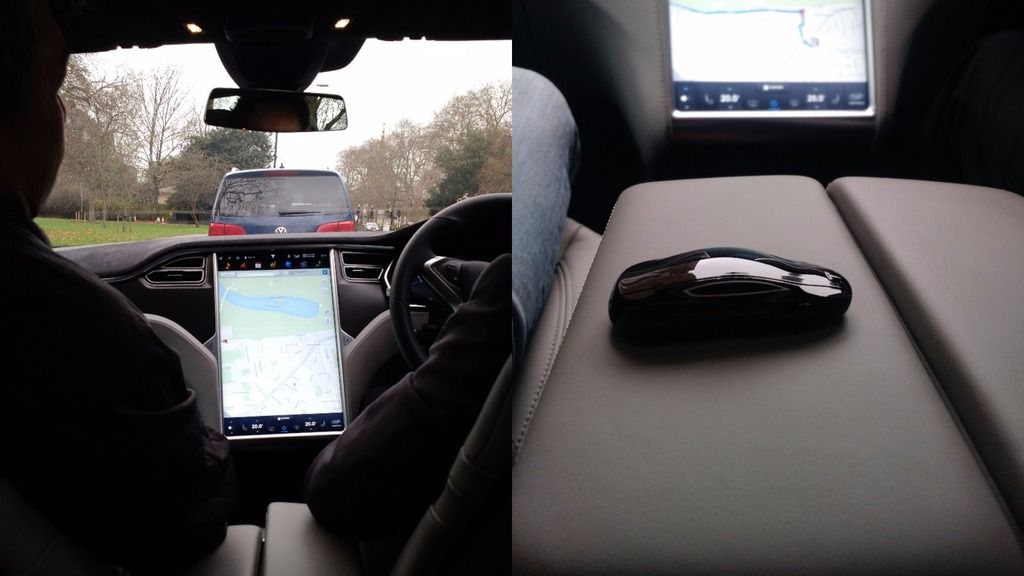
    Late last December, I had the chance to have a ride in a Tesla Model S P85D (85 kWh battery, "D" for dual motor), with my dad at the wheel (you have to be over 25 to test drive it) at Harrods in London.

    Here are a few key things that truly makes this car compete in a league of its own.

    The best 40 minutes that I ever spent in any automobile. Period.

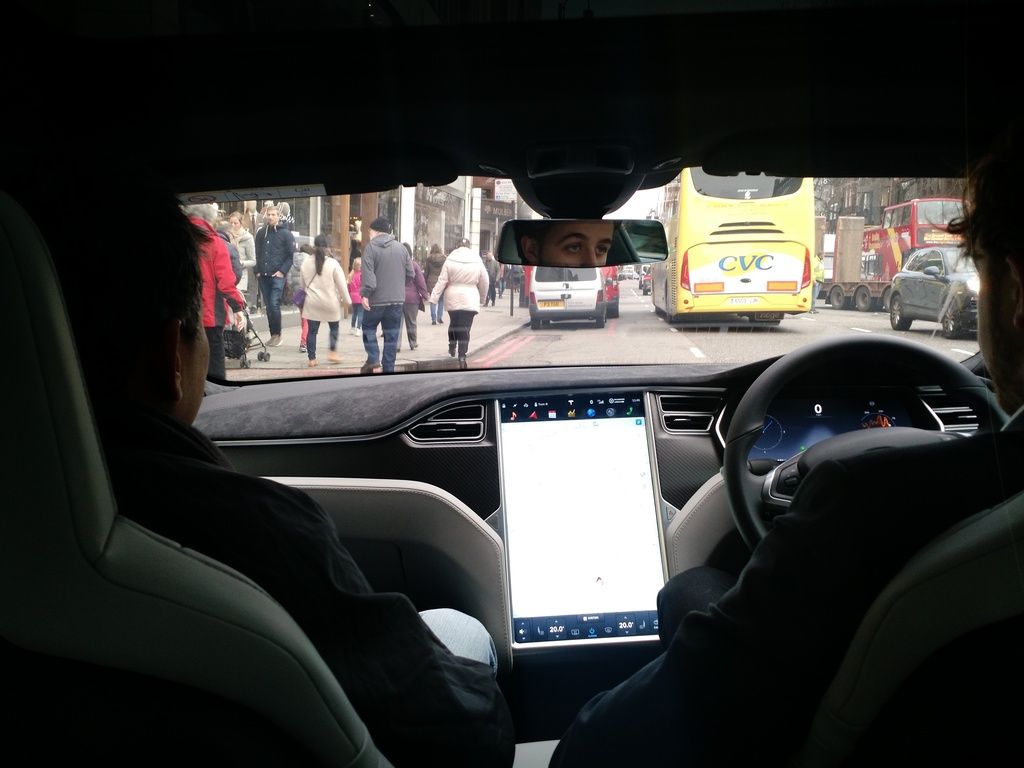
    From a passengers point of view, I've never sat in car that silent and comfortable as the Model S. As my dad zipped around the South Kensington with the guide of the enthuastic Tesla Product Specialist, Tom, I couldn't help but notice how quiet it was in the car.

    With the car being all-electric, it doesn't have the internal combustion roar like other traditional cars. There wasn't even a hum of any machinery, nothing.

    As the car was put through its paces, it handled every turn and bump on the road as smoothly as a hot knife cutting through butter. Being a first timer driving the Model S, my dad had no problems with getting used to the car.

    The Model S is also known for its acceleration and oh man, it doesn't disappoint. Again, being an electric car, the torque in this car is almost instaneous, unlike a regular car where there is lag as you step on the gas pedal to actually accelerating. Going from zero to sixty in around 3 seconds was definitely the highlight of my 40 minutes in the car. Tom telling us to get ready as he was going to floor it was just a formality; you can't be prepared for what is coming.

    Just close your eyes and imagine an airplane accelerating as it is about to take off. Multiply that by 10 fold and that is the closest that I can put the acceleration of the Model S in words.

     photo IMG_20151221_115153_zpsut0s7sa9.jpg

    Other perks of the Model S being all-electric is the amount of extra space you get with it. The lack of an engine in the front combined with just batteries and electric motors powering the car, allows for a lot of storage space in both trunks (front and back). Coupled with the lack of a normal transmission and gearbox, there is more open space that you can't get in a car with gas engine and tank. There is no need for much maintenance with the car except for changing the wiper fluid.

    The 17 inch touchscreen that acts as the center console of the car is a console that car owners everywhere deserve. The screen has enough pixels to allow the driver to control all aspects of the car from the music, doors, locks, lights, navigation, and it also includes a web browser.

    You can swap these on the touchscreen to any configuration. For example, you can have Google Maps navigation and music on top of each or you could have an entire application take up the full screen.

     photo IMG_20151221_114009_zpsazwtkcyk.jpg

    The 3G-connected touchscreen houses a custom built OS by Tesla. This allows the car to receive over-the-air updates directly from Tesla just like how iPhones get updates from Apple or Nexus phones from Google.

    One of the coolest and most significant updates in recent times is the Autopilot update which is another step in the direction of self-driving cars. While we couldn't try this feature out ourselves due to the busy traffic in London, we spoke to Tom about the direction that Tesla is moving in order to have a commercially available fleet of self-driving cars. He's pretty much convinced that Tesla will be the first to get there, just as much as Elon Musk, CEO of Tesla Motors, is; I love how driven they are about that.

    Tesla is a tech company just as much it is a car or energy company

    The underlying software and technology in the Model S is nothing short of impressive. To top it all off, the design and attention to detail of the car itself is phenomenal.

    Model S itself is aesthetically pleasing to the eye. On top of that, it's designed in a well-thought-out manner from the car having one of the lowest drag coefficient of any production car to the door handles popping out automatically as you approach the car or even the carkeys shaped like the Model S itself.

     photo photojoiner_zpsmu87lfby.jpg

    It was those small little bits of attention to detail that impressed me so much about the Model S, sometimes just as much the big bits.

    The journey towards a future of sustainable transport by bringing compelling mass market electric cars to market is well underway. As Tesla gears up to release a more affordable car soon, that future is not looking very far away.

    A Short Note on 2016

    A Short Note on 2016

    Personal challenges for the year ahead

  • By
  • Tzen Szen
  • on January 9, 2016 11:58am

  • This year, I would like to set a couple of personal challenges to learn new things.

    Last year, I tried many different things; from learning how to build Android apps, attending my first hackathon, and even starting this blog. While I started learning/doing many things, I would like to continue developing those new skills to eventually hone them.

    Often, it is too easy to get distracted. That is why the theme for the challenges this year is mastery. While I don't expect to be a master of what I do right away, I should focus on a few things that I want to learn to become better at.

    They are as follows.

    1. The Rule of 2

    Being a medic doesn't have to mean being trapped in a bubble.

    This personal challenge will be about reading 2 books a month. While there is always a lot going on at medical school, that shouldn't be an excuse to not read more.

    I am sure reading will indirectly help me become better at what I do/want to do through helping me to understand more about how the world works.

    From books about design, other branches of science, business, economics, fiction, there are many books out there that will help me gain a perspective on a variety of topics. If you have any books that you'd like to recommend, I'd appreciate if you left a comment below!

    2. A Year of Code

    Since I started to learn to code last year, I'd like to continue from where I left off.

    My interest in technology has led me to learn how to read and write code. On top of learning how to build cool stuff, learning to code has really improved the way I approach problems.

    There is always much room for improvement. While it is definitely far from easy and does get frustrating at times, that is just part of the learning process.

    The medical calculator app (I know, it's not the most sexiest thing) that I was building last summer requires more fine-tuning but I hope to publish it in the Google Play Store within the next couple of months!

    Here's to an intellectually fulfilling 2016

    Do take note that these personal challenges will be done on top of everything that goes on in medical school; I don't intend to neglect my studies.

    I'd hopefully be able to say that I can provide more value to the people around me at the end of the year compared to the start of 2016.

    Here's to an intellectually fulfilling 2016!

    Yours, Verily

    Yours, Verily

    Alphabet's Life Science division debuts a new name

  • By
  • Tzen Szen
  • on December 18, 2015 1.10pm

  • Meet Verily, the latest division under Alphabet's umbrella.

    The word means "truly" or "certainly". It dates back to the Middle English of the 14th century and does occasionally appear in the King James Bible. However, in terms of common use, it hasn't been used since... well, quite a long time ago.

    Verily is a life sciences company that graduated from Google's moonshot factory, Google[x]. They started out as the life sciences team in Google[x], working on a smart contact lens that detects blood glucose levels in 2012, eventually spinning-off as an independant company.

     photo xnsvoranq5oyapqxfah7_zpsgq6xfe5x.png

    Based on their new website, Verily is focused on "using technology to better understand health, as well as prevent, detect, and manage disease".

    As a medical student fascinated by technology, this resonates with me, hard. It really does excite me.

    Verily's mission involves moving healthcare from reactive to proactive/preventative, from generalised to personalised. They want to make health more about being continuous rather than episodic. And with a diverse, multidisciplinary team, it sure looks like they stand a good chance of doing just that.

    A single discipline isn't going to cure disease

    Verily is led by their CEO, Andy Conrad. Formerly the chief scientific officer of LabCorp, he is a cell biologist and has co-founded the National Genetics Institute, which developed the first cost-effective test to screen for HIV in blood supply.

    His team at Verily is truly a multidisciplinary one. It comprises of engineers, doctors, scientists, and statistics gurus, with a single mission of improving healthcare. To better understand the bigger picture, they even have a philosopher on their team to figure out the "why" of what people do.

    To detect disease earlier, understand it better, and intervene in the course of the disease more precisely, Verily has already started with their long journey. For example, they've started to develop a contact lens with an embedded glucose sensor to detect glucose levels in tears. The Baseline Study is currently ongoing to better recognise what a healthy person is. Recently, they've also filed a patent for a "needle-free blood draw" system.

     photo Screenshot 2015-12-18 at 12.26.44_zpsn68qc159.png

    Health isn't and shouldn't be about the yearly doctor visits. 23andMe (another company that I'm a huge admirer of) CEO, Anne Wojcicki hit the nail on the head when she said, "Health is about what you do every single day”.

    We don't even know what being "healthy" means yet. We think that as long we aren't feeling ill, we are healthy. That sure isn't the case. How many times have doctors found tumours in patients when they weren't actually looking for them?

    The healthcare industry hasn't fully embraced technology as an equal in solving the largest problems we are currently facing. Even if the industry does, more often than not, it takes ages for the tech to reach physicians and patients. And rightly so, for a couple of reasons.

    As an industry that involves human life, the margin of error is incredibly tiny. Should the technology that we use to help patients fail, the consequences are unforgiving. Bureaucracy surrounding the industry as a whole also plays a part with limiting innovation. A lot of the time, we are focused on what we can't do instead of what we can - we find more reasons for saying "no", instead of more reasons for saying "yes".

    We find more reasons for saying "no"

    One fine day in the near future, I hope to look back and chuckle to myself at how we faced the problems that are plaguing healthcare. Verily represents an ideal of hope - that we can have world in which technology and life sciences are in congruence with one another to reveal new truths about health and disease.

    And with a practical and real approach to scientific development, that world verily looks more like reality instead of a dream.

    The State of Virtual Reality (Late 2015)

  • By
  • Tzen Szen
  • on December 17, 2015 10.20am

  • Back when I was a kid, virtual reality (VR) was basically fictional.

    It was tacky, gimmicky even. It was something that you'd file under "nice to have".

    VR came as different forms as seen in sci-fi movies like The Matrix or Tron. Not everyone had the access to games or toys like Battlezone of the View-Master. While considered primitive by today's standards, Battlezone and the old View-Master blew people away due to the immersiveness of their experiences at that time.

    Good VR is here

    Enter 2015, VR is back from a hiatus; from ’90s futurism to one the largest attractions in tech world. It's been about 4 years since Palmer Luckey built the prototype that would eventually become the Oculus Rift in his parents’ garage in 2011 (the coolest things always start out in a garage, don't they?). It's been three and a half years since that prototype was unveiled at E3 by John Carmack, jumpstarting everything.

    VR is a platform that stimulates the senses, notably sight, touch, and hearing. Being part of a research project involving the Oculus Rift in September, I was impressed by what I experienced. The programmes that I tried out felt real. The need to reach out to touch the planets and stars that surrounded me was completely natural. Trying out a rollercoaster programme, my head swayed naturally from left to right as the rollercoaster made sharp turns and loops. The slight feeling of nausea also came with the experience.

     photo VR_zpsgrhhge9i.png

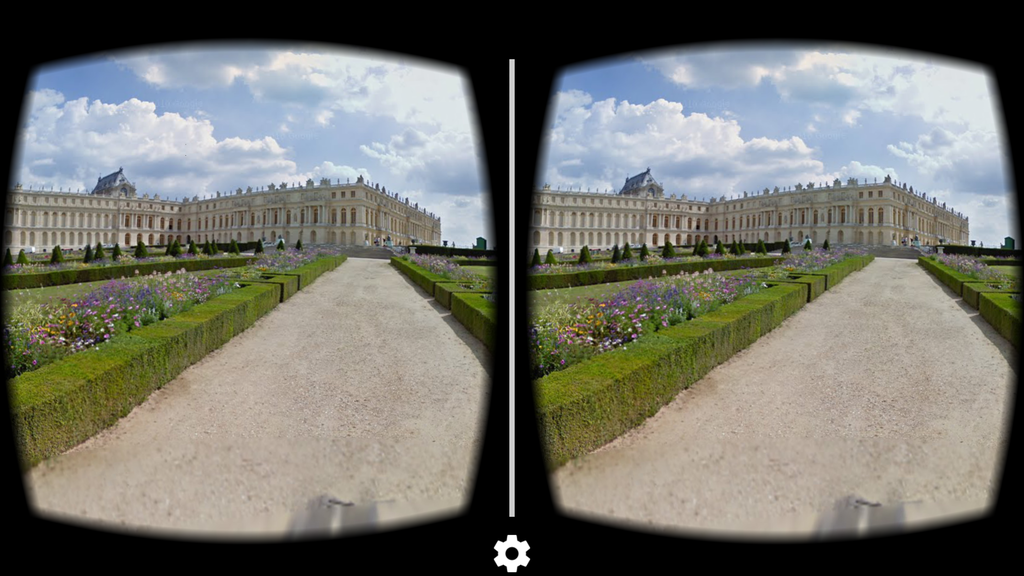
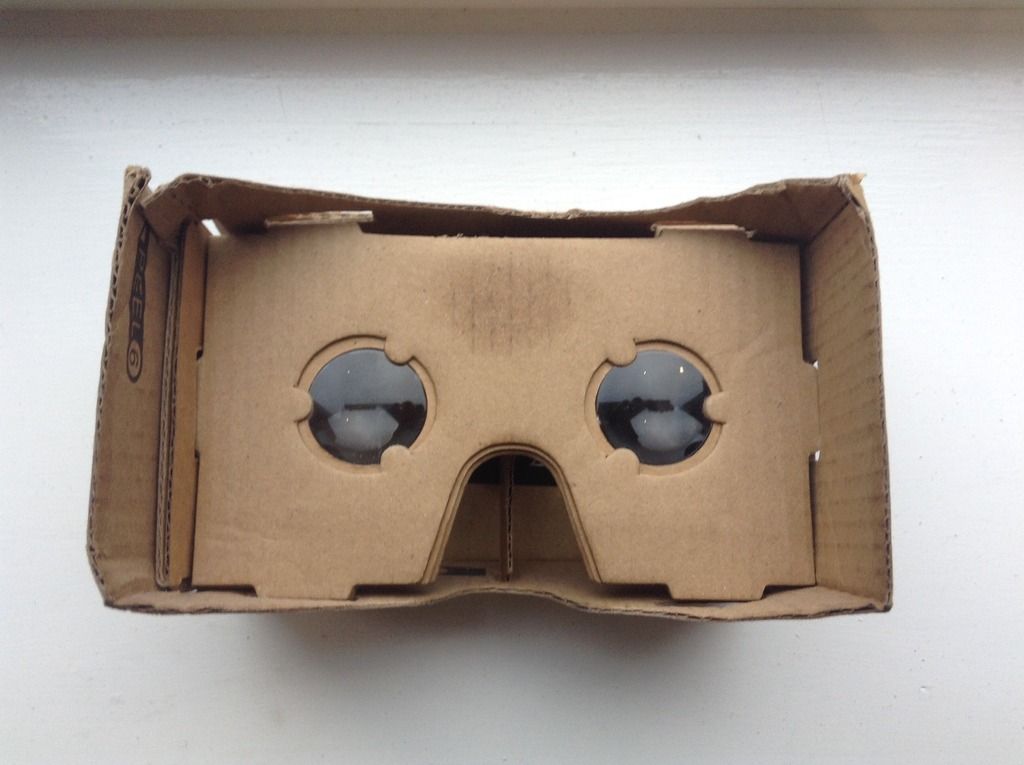
    The Google Cardboard that I tried out impressed me just as much. Essentially just a piece of cardboard with some lenses and a magnet, the experience that I got out of it was astoundingly immersive for something costing the fraction of the price of the Oculus Rift. A combination of decent haptic feedback, visuals, and audio allows Google's take on VR to punch way above its weight.

    VR isn't just a gimmick anymore. It's not something that you will see and go, "That's something nice to have!". It's the real deal.

    That's a reason why the largest names in tech are competing to have a say in the VR market; Facebook, Google, Samsung, Sony, and HTC are lining up to show the rest of the world what VR is capable of.

    Even non-tech companies are jumping on the VR bandwagon. The NY Times have recently released a mobile app for VR, while also sending print subscribers a free Google Cardboard. Mattel, one of the largest toy companies in the world, have partnered with Google and National Geographic to release a new, VR enabled, View-Master for kids.

     photo File_000_zpsyb7jmckr.jpeg

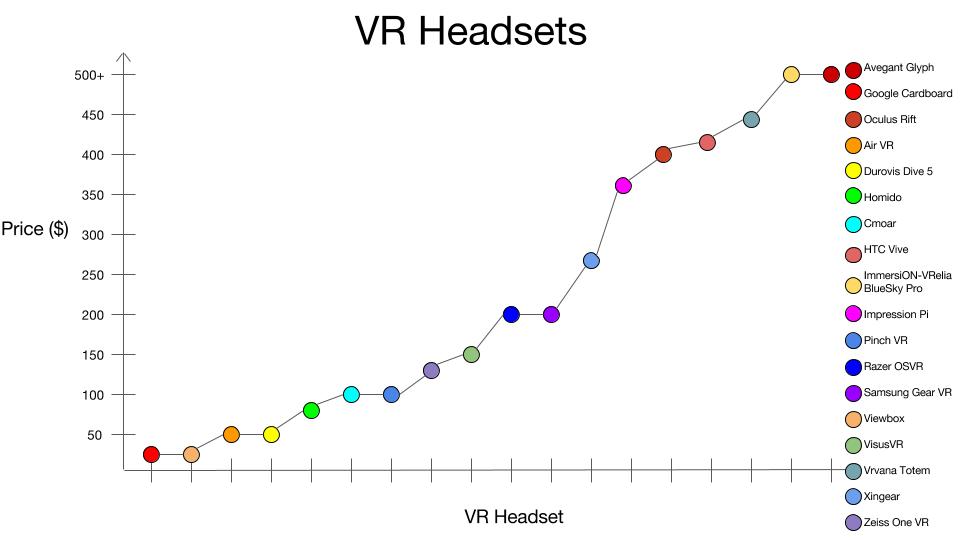
    We are going to be spoilt for choice with the amount of VR headsets currently in market or about to enter the market in early 2016. Have a look at the graph below and you can see that they come in a variety of price points. This is based heavily on whether they are powered by a desktop or by mobile phones.

     photo Data Visualisation part 2_zpsfz7ovqks.png

    The applications of VR are virtually limitless. We've already seen it being used in training pilots and military training. But what about other industries? For example, can we improve surgical training by using a VR headset with haptic feedback? How about better visualising medical imagery using VR for diagnostics and surgical planning? Can children see other parts of the world in just their classroom without having to travel there?

    VR is difficult to explain in words

    It is thrilling to see where the applications of VR will take us. However, one of its largest challenges is to actually tell people how an experience with VR is like. It is notoriously difficult to express in words.

    I can write a 2000 word essay about it and you won't even know what it really feels like. Until you try it out for yourself, it's all just words.

    But yes, for now, good VR is finally here. A question that should be asked is whether it will be here to stay.

    And my answer to that would be: I certainly hope it does.

    5 Important Lessons From My First Hackathon

  • By
  • Tzen Szen
  • on November 26, 2015 10.13am

  • It has been just over a couple of weeks since my first hackathon that I participated in. To put simply, a hackathon is an event where people (programmers, designers, etc.) come together to turn ideas into reality.

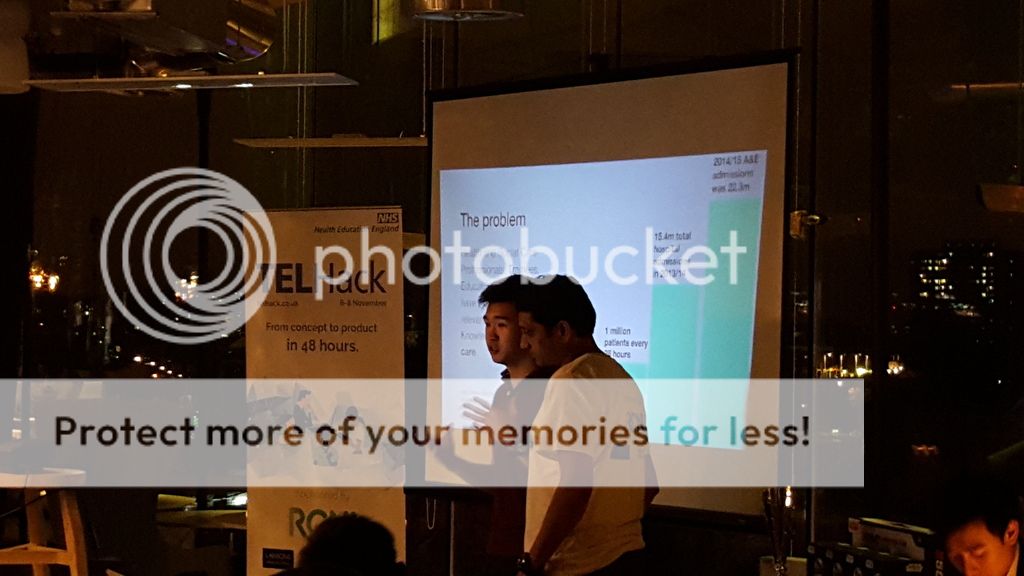
    TELHack, which took place in London from the 6th to 8th of November, is a hackathon aimed at transforming healthcare education. In case you were wondering, the "TEL" in TELHack stands for Technology Enhanced Learning.

     photo TELHack_zpsrozfgi94.png

    Looking back, there was plenty to take away from the hackathon. So, here's 5 of the most important lessons I learnt from my experiences at TELHack.

    1. Default to open.

    The concept of default to open is woven in the DNA of hackathons. Being default to open means rather than starting from a point where you choose what to share, start from a point where you chose what not to share. Hackathons are an environment which simply thrives on collaboration and openness. Having heard of this concept is one thing, but experiencing it first-hand was entirely different and it blew me away.

    Want to know if your idea would be worth working on during a 48-hour period? After sharing my idea about virtual reality (VR) to work on during the weekend, a software developer advised that it'd be wise to consider something else, mostly because there weren't many developers experienced with VR. Not sure what a business model canvas is? Ask the experts who have been involved in numerous startups or have a background in business.

    Speak to the people you are surrounded by and share your opinions and problems with them! What better way to get your questions answered or your problems solved by individuals who have/had similar experiences. A hackathon is a friendly event, so meet as many people as possible, make friends, and learn.

    2. Don't take your ability to learn for granted!

    Speaking of learning, I didn't realise how much one could learn in just 48 hours. My experience in coding was fairly limited and even at TELHack, I didn't write much code. But I was surrounded by people who read and write code for a living. I was able to learn through seeing how they did what they did and doing a little myself. That crash course in Python during TELHack is something that will definitely come in handy.

    Learning about building scalable businesses was another matter that I had to get my hands dirty in. Coming from a background in healthcare, my experience in business was fairly limited. Through support and advice from Alejandro, one of the lead organisers, we managed to get a business model going. I've never learnt so much in one night, by researching about getting the first users, scaling a business, and how to generate money.

    How do companies like Google, Facebook, Uber, Airbnb, or Palantir disrupt an industry? How did they start out in the beginning before their businesses started growing? And lastly, how is our prototype more valuable from anything out there already? Those were some questions that we had to learn to ask and answer in less than 12 hours before our final pitch!

    A large part of my learning came in the form of actually doing it. Most of the time, doing something for the first time will result in failure. So, the best way to learn in this instance is to fail faster and quickly learn from mistakes; adopt the "shoot, ready, aim" mantra.

    3. Money is important.

    The rest of my team found it uncomfortable to discuss about the business-end of things. Again, Alejandro managed to help out in this area by explaining why it's important to have a viable business model by the end of the hackathon.

    Essentially, what he said was, "It's okay to not want to think about making profits. But not thinking about making any money at all is crazy! Why? Because every business, regardless of their size has to earn some money. Not profiting is fine, but you must make enough money to keep going and sustain the business."

    That advice really hit me. I now understand better why money is important. Don't get me wrong, the purpose of doing anything shouldn't be based on making profits. Making profits is a result, a side-effect if you wish. However, not thinking about to sustain a business, even when just starting out, would be madness.

     photo download_zpsv0cvc3p0.jpg

    4. Remember to sell the why!

    We had around 48 hours to come up with a working prototype by the end of TELHack. It was too easy to focus on building the prototype, in my team's case, a clinical knowledge respository. That was the "what".

    Looking back, our prototype functioned well and we clearly communicated its features and how it worked. We even managed to explain how it was different compared to other products already in the market. Stumbling across Simon Sinek's TEDTalk, I finally realised what was lacking.

    We didn't communicate the "why" part of our pitch well enough; it wasn't as inspiring as should be! From that TEDTalk, Mr. Sinek said "If Apple were like everyone else, a marketing message from them might sound like this: We make great computers. They're beautifully designed, simple to use, and user-friendly. Want to buy one?". That sounds incredibly "meh", doesn't it?

    Our final pitch at TELHack was decent but there is always room for improvement. In the future, I'd personally would like to use a better approach and explicitly highlight why a prototype was built for in the first place.

    5. Enjoy and have fun.

    Sure, most of us at TELHack didn't get much sleep during the hackathon. Yes, it was also stressful and daunting to come up with a working prototype by the end of it all. But at the end of TELHack, I can tell you there wasn't a single person in the room who didn't have a huge smile on their face. From the participants to mentors and organisers, everyone enjoyed themselves and had a great time.

    I took part in Python crash course and tried some yoga. I met and exchanged ideas with lots of other healthcare professionals, mentors, software developers, and designers. That was all on top of making a difference in healthcare education.

    Working on cool things that matter is highly addictive. Hours and hours flew by when I was preparing a business model, writing code, and helping out my team whenever I could. Hackathons are designed to gather like-minded individuals to solve large problems. It's a little like trying to assemble the Avengers.

    At the end of the day, nothing is worth doing if you aren't having fun. Also, time spent doing something you enjoy, is definitely not time wasted.
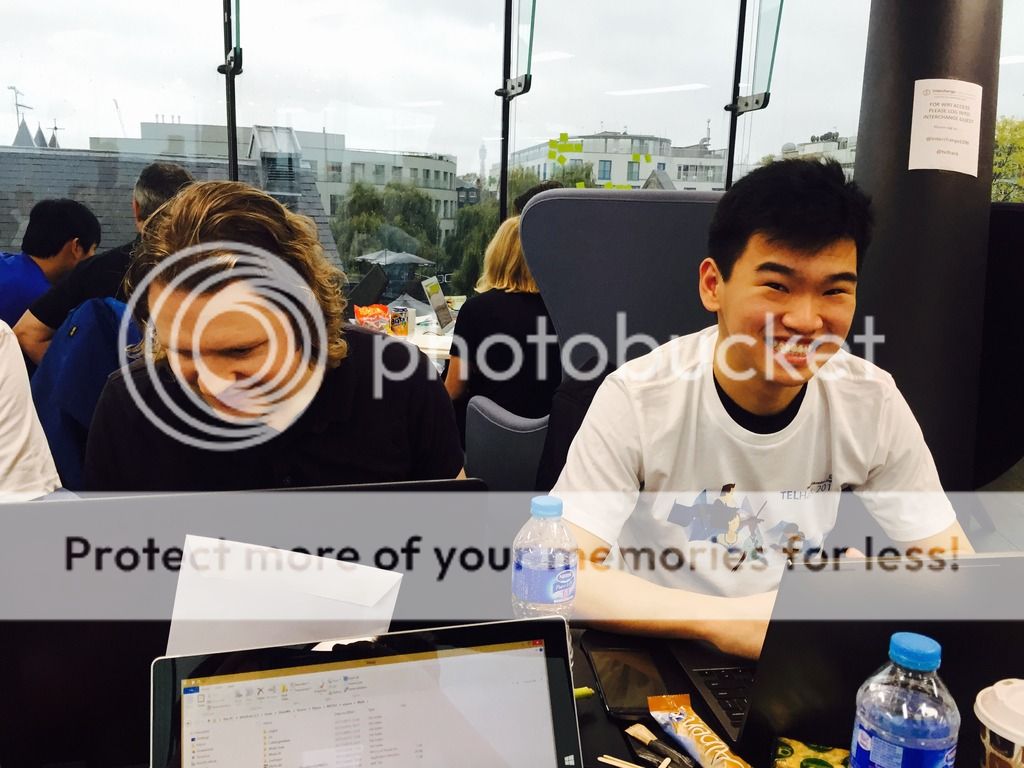
     photo download_zpsv0cvc3p0.jpg

    At the start of TELHack, we said "let's do this!" and at the end, we did it. From concept to prototype in 48 hours, my first hackathon was definitely one to remember!
    Explained: Superman

    Explained: Superman

    Humanity, reflected

  • By
  • Tzen Szen
  • on October 30, 2015 12.10pm

  • The Man of Steel, The Man of Tomorrow, The Last Son of Krypton, going by the alias of Clark Kent/Kal-El, is known to many all around the world as Superman. The superhero is a global icon and more importantly, one of the most popular fictional characters around today. Superman first appeared in Action Comics #1 (June 1938) and has since invaded the rest of pop culture from comic books, to video games, movies, and more.

    "Faster than a speeding bullet. More powerful than a locomotive."

    Most of us are familiar with his origin story where he was born on the planet Krypton as Kal-El and was sent by his parents, Jor-El and Lara, to Earth as Krypton was doomed to destruction. On Earth, he grew up in Kansas as Clark Kent after being adopted by Jonathan and Martha Kent.

    He was traditionally described as, "Faster than a speeding bullet. More powerful than a locomotive. Able to leap tall buildings in a single bound... It's Superman!" which ultimately reflects his extraordinary powers. These powers range from super-strength, flight, near invulnerability to non-magical attacks, super-speed, vision powers (including x-ray, heat-emitting, telescopic, infra-red, and microscopic vision), and super-hearing. Based on the recent Man of Steel movie, these powers were a result of his cells being drunk in the radiation of our yellow Sun, strengthening his muscles, skin, and senses and also due to Earth's gravity is being weaker than Krypton's was, with our atmosphere more nourishing.

     photo man-of-steel-flying-wallpaper-HD1_zpsz5sphru1.jpg

    Speaking to others about Superman or even going through the comments section of YouTube videos, I find the adjectives describing him most notably include "boring" and "overpowered". While it is understandable to see where they are coming from, Superman is miles away from being a boring or overpowered character.

    The reason for me stating so begins with that huge, iconic, "S" shield on his chest. It initially had only one meaning, the "S" for Superman. In recent times however, the "S" stands for the coat of arms of the House of El and more significantly, the Kryptonian symbol of hope. True enough, Superman is the ultimate embodiment of hope in the comic books.

    It's easy to just paint a picture of him as a big guy, throwing massive punches around all the time. But let's not forget about the Flash, who moves faster than Superman or even Batman (who is still awesome), who goes toe to toe with other enemies usually stronger than he is and still comes on top. Despite his many powers, Superman is a totally relatable character. The themes around his story usually involve themes like isolation, loneliness, restraint, and of course, hope.

    Let's break Superman's story down and put it into context. We have this superpowered alien, the last of his species, sent to a foreign planet. No one trusts his intentions; he's a potential threat to everyone, it's hard to trust him. At the pinnacle of his powers, he can literally move planets and easily bring humanity to its knees.

    However, he fights for everyone because he is, in his unique way, a fictional character that represents us. Deep down, you know he is the embodiment of the good in all of us due to his strong moral code instilled in him by his adopted parents, the Kents. What does he do when he's not saving the world? He tries to live a normal life as Clark Kent by working at the Daily Planet as a journalist in the fictional city of Metropolis. He shares the development of his sense of right and wrong with the rest of us. As he grows up, Clark is faced with scenarios that allow him to examine and build his moral compass.

    What does he do when he's not saving the world?

    His struggles are real; how does he exert control over himself with the possession of all those amazing powers and what happens when raw emotions like sadness or anger take over? The Injustice: Gods Among Us storyline explores just that and we see Superman behaving like a god after the murder of Lois Lane and his unborn child.

    In Man of Steel, we see Superman making difficult decisions. Should he save his father from a ravaging tornado and reveal himself to the world when it's not ready or should he listen to father but watch him die? Should he act as judge, jury, and executioner by killing General Zod to save his adoptive home or should he not kill the last of his own species? This brought him to question whether humanity was worth saving and protecting. By murdering Zod, he knows that he is now truly alone.

    If The Last Son of Krypton has anything to teach us about ourselves, it's that it's definitely not easy to be virtuous and honourable. Superman is many things but being a dull character isn't one of them. But rather, he makes one hell of a character for me to continue reading about.

    The Importance of Culture

    The Importance of Culture

    Making work rock or at least suck less

  • By
  • Tzen Szen
  • on October 25, 2015 1.25pm

  • We spend a huge part of our lives at work. Since we spend a lot of our time working, it makes sense for a person to like what they do or at least work on something that we're willing to makes sacrifices for. It is surprising how many people in this world don't actually like what they do for a living. A huge part of this dislike can be attributed to working/corporate culture.

    Being part of different organisations in these short 20 years of my life, I have experienced different working cultures, with each of them having their own significant impact on me. A lot of the time, the most important themes that I have noticed about working culture involves the mission of the organisation, the people I'm surrounded by, the values, and practices.

    Mission, people, values, and practices

    If you perform a Google search on the mission statement of any major company that interests you, you'll probably come up with some interesting results. You might find some really simple ones like the ones found here:

  • Google - To organise the world’s information and make it universally accessible and useful.
  • Alzheimer’s Association - To eliminate Alzheimer's disease through the advancement of research; to provide and enhance care and support for all affected; and to reduce the risk of dementia through the promotion of brain health.
  • SpaceX - To revolutionize space technology, with the ultimate goal of enabling people to live on other planets.
  • It doesn't take much to figure out that people can easily relate to these mission statements because they are simple, concise, and ultimately, good. It's undeniable that organising the world's information, eliminating Alzheimer's disease, or getting humans to colonise Mars one day are good things. These mission statements are also great because of what they don't mention. Terms like customers, shareholders, and profits are nowhere to be found unlike, for example with Procter & Gamble. Employees associated with the organisations then have a meaning to their work as their missions are less about profits or business goals but more about having a positive impact on the world. Deep down, nobody wants to just be another cog in a machine.

    Values are at the core of any culture. While a mission expresses a company’s purpose, values offer a set of guidelines on the conduct and ethos required in order to achieve that mission. Yes, having a set of values and practising them matter. It matters especially when you are trying to accomplish your mission. Is it really success when you get something done but doing it misguidedly?

    Putting values into practice to accomplish a mission doesn't have to mean having free gourmet food, crazy offices, or other various perks. It starts with the most basic things like sharing as much information with everyone or giving people a platform to channel their opinions. Being transparent and open is a large part of companies like Facebook and SpaceX. It's why even Mark Zuckerberg and Elon Musk have regular desks and cubicles respectively like other employees. Google encourages transparency through weekly TGIF meetings on Friday with their co-founders, Larry and Sergey, and other various execs where employees can ask them any question on just about anything. They also have the annual “Googlegeist” survey (response rate of 88% or more) to gather feedback from employees to solve the largest problems at the company.

    People are the spine of any organisation or company and having great people surrouding you makes such a huge difference. From product managers to the CEO, the right people in any organisation will definitely make or break it. Take my medical school in Sheffield, in the UK, for example.

    When treating others nicely is the norm, you'll be called out for doing otherwise

    Entering a completely new environment is naturally a very daunting process. But I found it quite amazing how relatively easy it was to adjust to my new environment, which was largely due to being surrounded by the amazing people I now call my friends and colleagues. It's difficult to find distasteful people around (although people like that exist in any large organisation) because it's just unnatural be a horrid person when you are in a nice community. When treating others nicely is the norm, you'll be called out for doing otherwise.

    There are other factors that influence culture at work but these few components can largely influence and shape any company or organisation. While work is still a large part of our lives, it doesn't necessarily have to suck.

    Products to Platforms

    Products to Platforms

    Utilising the power of the people

  • By
  • Tzen Szen
  • on October 12, 2015 10.25am

  • It's always easy to define the term product, which simply means goods or services produced or refined for purchase. The same can't be said for the term platform, however. A quick Google search of the word will show you the definitions of the word which include "a raised level surface on which people or things can stand", "the declared policy of a political party or group", and "a shoe with very thick soles".

    In the world of computing, the word platform is utlised to denote a complete software programming development environment and underlying subsystem. Today, a platform is somewhat different; many industries consider it to be anything that you can build upon. Platforms are a huge part of many of our lives now and a significant amount of enterprises now have a focus on transitioning their products into platforms.

    Some of the amazing platforms I interact with on a frequent basis include the Android operating system (OS), Facebook, Youtube, and Quora (a personal favourite of mine). As long as platforms continue to have a large impact on their millions of users everyday, they are definitely here to stay. In fact, platform-based companies have higher chances of impacting many more users than traditional businesses which produce one or more closely related product or services.

    A win-win-win situation for everyone

    Let's take Google's Android OS as an example. Android now has more than 1 billion 30-day active users and the Google Play Store boasts more than 1.5 million mobile apps. The success of Google's mobile OS is largely due to the fact that is a great platform for mobile app developers and enthusiasts to build great products for the platform, essentially creating a thriving ecosystem. Offering tools such as application programming interfaces (APIs) and software development kits (SDKs) allows developers to build and sell better apps to help solve their users' problems on top of driving inovation for Android - a win-win-win situation for everyone.

     photo Plug In_zpshlkbtos8.jpg

    Platforms are great for users as they are empowered to create content to upload, view, and share with other users around the world. The generation of fantastic content is even more evident on websites like YouTube and Quora. How many of the videos uploaded to YouTube are done individually? The popular video-sharing site has content like reviews, tutorials, and vlogs from a wide range of topics that contain a wealth of information which even sparked permanent careers for some YouTubers.

    On the Q&A website, Quora, users are allowed to follow multiple topics of their interest while also asking questions and providing answers to other questions. It really is refreshing to find how Quora combines various experiences and curiousity to provide cumulative intelligence.

    Consumers buy products, not platforms

    Products are still relevant today as they tend to be at the front-end of what users see. Consumers buy products, not plaforms. In today's world, however, it is increasingly important to think about platforms as a framework for businesses before products. It is this framework that should pave the way for product strategy; what a platform does is to allow multiple products to be built in the same framework.

    Google started off as a search engine all those years ago. Dominating Internet search allowed Google to pave the way for other products such as Gmail, Maps, Chrome, and Android, among others, allowing an expansion of the platform. Amazon started as an online bookstore and then started allowing other third-party vendors to sell their products on their site. At the same time, their retail platform gathered a huge amount of data about how people carry out shopping online on top of making their "one-click" shopping experience available for those third-parties to use as well.

    Facebook is another platform worth mentioning. The website is first and foremost, a social networking site. You can log in to it online to use as a web service or you can download the mobile Facebook app to your device and log in through the app. The Facebook platform is now more than just a social networking site. It sets itself apart not just because of their 1 billion active users, but because of their extensive knowledge of their users' interest. Having the "Like" and "Share" buttons across the web allows them to understand their users beyond the boundaries of Facebook.com. Allowing external parties to plug into this information generates a multiplier effect of sorts by gaining more data about users when they access those external parties.

    Consumers, not governments or enterprises, are driving today's economy more than ever. Building platforms are tough, but the return of investment of strong, consumer-driven platforms is clearly evident with the generation of great content, solving real-world problems, and boosting innovtion at the core of these returns.

    Explained: Google Nexus

    Explained: Google Nexus

    The pure Android experience defined

  • By
  • Tzen Szen
  • on September 29, 2015 1.13pm

  • Since Google's reported $50 million acquisition of Android Inc. back in 2005, the Android operating system has since been invading many of our mobile devices that we use today. With 8 out of 10 smartphones in 2014 shipping Android, 400 original equipment manufacturers (OEMs), 500 carriers, over 4000 devices, and over 1 billion 30-day active users, Android's rise to the top of the smartphone foodchain is nothing short of amazing. Customers are now spoilt for choice when selecting an Android device with the large variety of devices in the market currently available.

    Over 1 billion 30-day active users

    However, with all the different types of Android devices, there is a huge issue for Google to exhibit the best of the Android on top of maintaining their dominance in the smartphone business. The latest Android version would be released months after being officially launched. Users and developers have to wait longer times to experience the new software which could seriously hurt Google in this highly competitive business.

    Google's solution to these problems comes in the form of their Nexus devices; their flagship Android devices. New Nexus devices - be it smartphone, tablet, or digital media player - are typically released around November every year with the latest version of Android.

    Nexus devices are designed, developed, marketed, and supported by Google themselves with some development and manufacturing carried out in partnership with OEMs. OEMs that have been working with Google to manufacture the Nexus devices include HTC, Samsung, LG, Motorola, and Asus.

    Many OEMs and carriers opt to have a skinned version of the operating system and additional bloatware on their devices that leaves behind a poor user experience. For example, Samsung introduces a heavily skinned version of Android in their smartphones called TouchWiz while HTC has HTC Sense. Nexus devices are significantly different from devices made by other OEMs as they are free from that bloatware.

    Arguably, these modified versions of Android have built-in features that aim to provide a better experience for their customers and provide an edge against other manufacturers. Unfortunately, more often than not, this only bogs down their devices and hence, the beginning of the perception that most Android devices are unresponsive and slow.

     photo download_zpsv0cvc3p0.jpg

    Having the Nexus line of devices allows Google to showcase the best of their mobile operating system as Nexus devices offer Android in the purest form, also known as stock Android. The Nexus devices will set the tone for other Android device manufacturers; they represent what Google's vision of what Android should look and feel like.

    In exchange, users owning a Nexus device are guaranteed timely Android software updates from Google themselves, usually making them to be one of the first few devices to rock the latest version of Android. Nexus devices are also great for developers seeking to test their apps on the latest version of Android. An unlocked bootloader is the cherry on the top for Android enthusiasts who want to try out custom ROMs.

    Nexus devices are guaranteed timely Android software updates

    You will find that the sales of Nexus smartphones and tablets aren't as spectacular when compared to other manufacturers like Apple or Samsung. Getting your hands as on a Nexus device isn't a walk in the park too as they aren't advertised as much, not sold in every part of the world, and have a limited number of devices at launch. I had to wait for a few months before getting my hands on my old Nexus 4.

    While the Search giant isn't aiming to profit from the sales of these devices, the need for Nexus devices is still apparent and Google needs to continue making them in order to assert their dominance in a world where the first computer someone picks up will probably come in the form of a smartphone. It needs to keep a high level of buzz around Android for the reasons described above while taking a lead in mobile search to keep money coming in.

    Newer Posts Older Posts