The State of Virtual Reality (Late 2015)
Good VR is finally here
Back when I was a kid, virtual reality (VR) was basically fictional.
It was tacky, gimmicky even. It was something that you'd file under "nice to have".
VR came as different forms as seen in sci-fi movies like The Matrix or Tron. Not everyone had the access to games or toys like Battlezone of the View-Master. While considered primitive by today's standards, Battlezone and the old View-Master blew people away due to the immersiveness of their experiences at that time.
Good VR is here
Enter 2015, VR is back from a hiatus; from ’90s futurism to one the largest attractions in tech world. It's been about 4 years since Palmer Luckey built the prototype that would eventually become the Oculus Rift in his parents’ garage in 2011 (the coolest things always start out in a garage, don't they?). It's been three and a half years since that prototype was unveiled at E3 by John Carmack, jumpstarting everything.
VR is a platform that stimulates the senses, notably sight, touch, and hearing. Being part of a research project involving the Oculus Rift in September, I was impressed by what I experienced. The programmes that I tried out felt real. The need to reach out to touch the planets and stars that surrounded me was completely natural. Trying out a rollercoaster programme, my head swayed naturally from left to right as the rollercoaster made sharp turns and loops. The slight feeling of nausea also came with the experience.
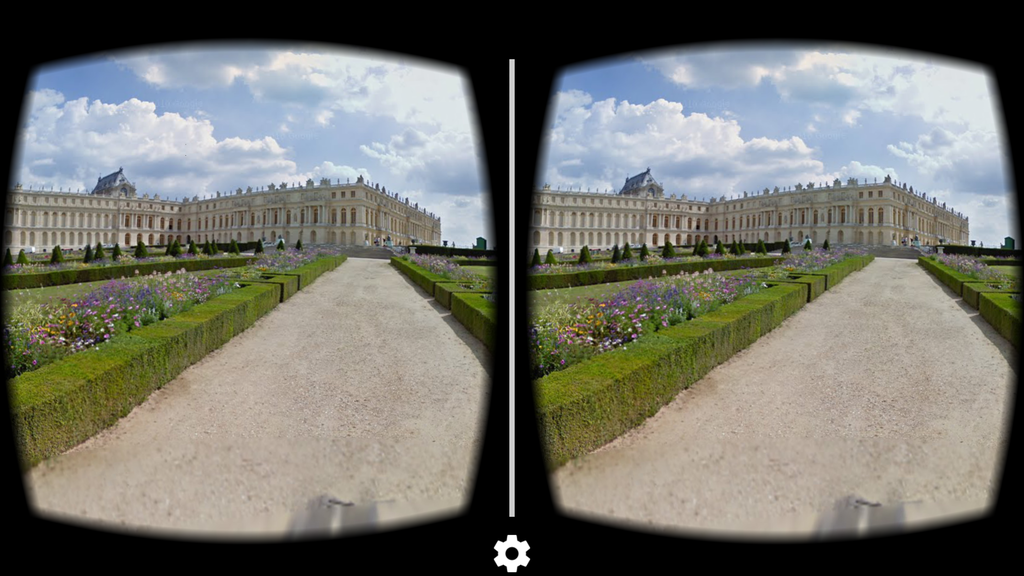
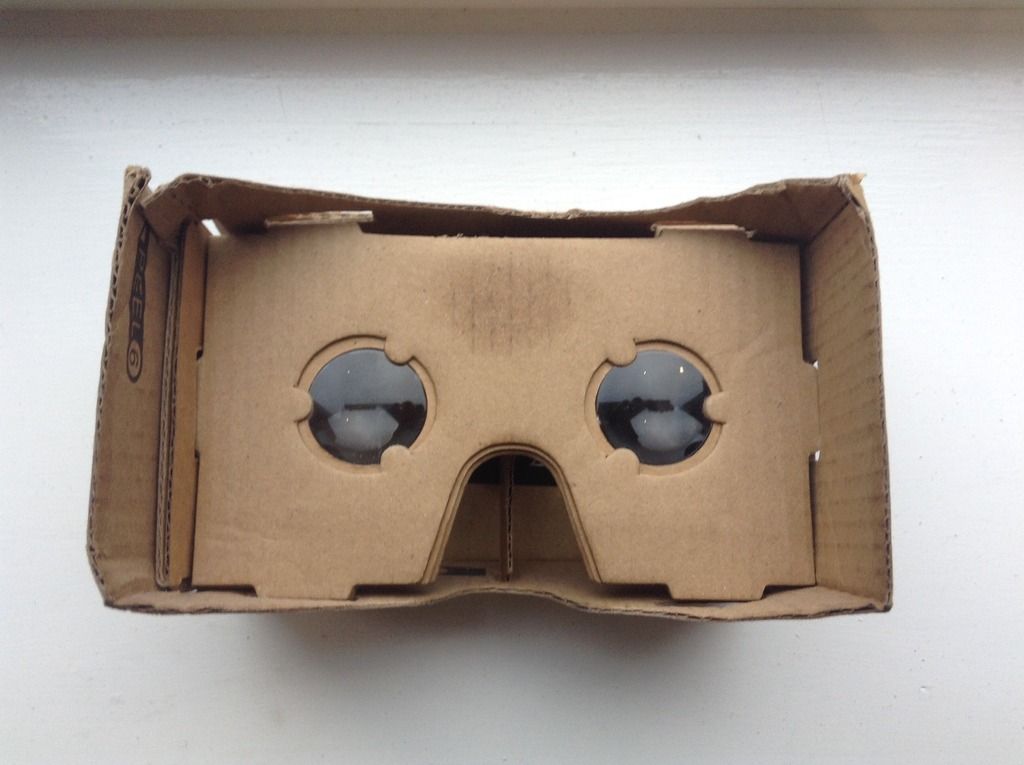
The Google Cardboard that I tried out impressed me just as much. Essentially just a piece of cardboard with some lenses and a magnet, the experience that I got out of it was astoundingly immersive for something costing the fraction of the price of the Oculus Rift. A combination of decent haptic feedback, visuals, and audio allows Google's take on VR to punch way above its weight.
VR isn't just a gimmick anymore. It's not something that you will see and go, "That's something nice to have!". It's the real deal.
That's a reason why the largest names in tech are competing to have a say in the VR market; Facebook, Google, Samsung, Sony, and HTC are lining up to show the rest of the world what VR is capable of.
Even non-tech companies are jumping on the VR bandwagon. The NY Times have recently released a mobile app for VR, while also sending print subscribers a free Google Cardboard. Mattel, one of the largest toy companies in the world, have partnered with Google and National Geographic to release a new, VR enabled, View-Master for kids.
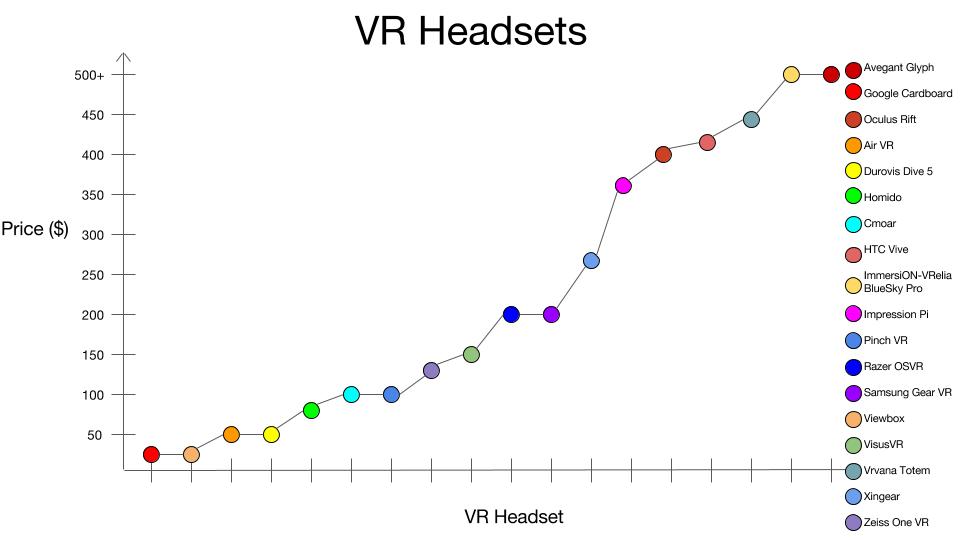
We are going to be spoilt for choice with the amount of VR headsets currently in market or about to enter the market in early 2016. Have a look at the graph below and you can see that they come in a variety of price points. This is based heavily on whether they are powered by a desktop or by mobile phones.
The applications of VR are virtually limitless. We've already seen it being used in training pilots and military training. But what about other industries? For example, can we improve surgical training by using a VR headset with haptic feedback? How about better visualising medical imagery using VR for diagnostics and surgical planning? Can children see other parts of the world in just their classroom without having to travel there?
VR is difficult to explain in words
It is thrilling to see where the applications of VR will take us. However, one of its largest challenges is to actually tell people how an experience with VR is like. It is notoriously difficult to express in words.
I can write a 2000 word essay about it and you won't even know what it really feels like. Until you try it out for yourself, it's all just words.
But yes, for now, good VR is finally here. A question that should be asked is whether it will be here to stay.
And my answer to that would be: I certainly hope it does.